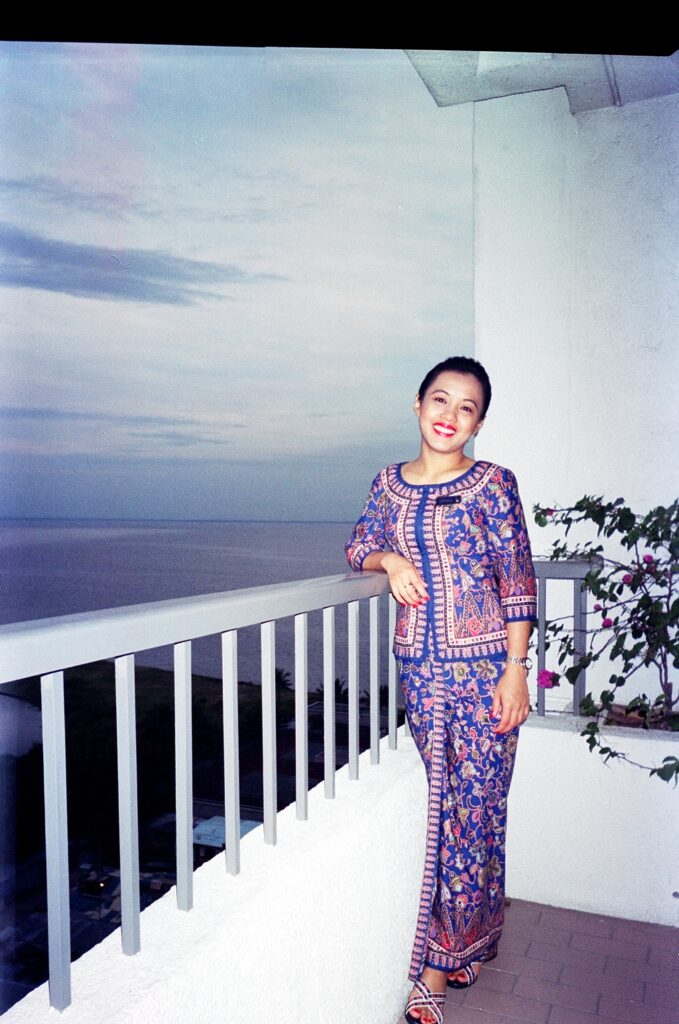
Flight
And so, she ended up doing both.
I think a lot about the notion of flight. About movement between two separate entities: continents; lovers; fighters; parents.
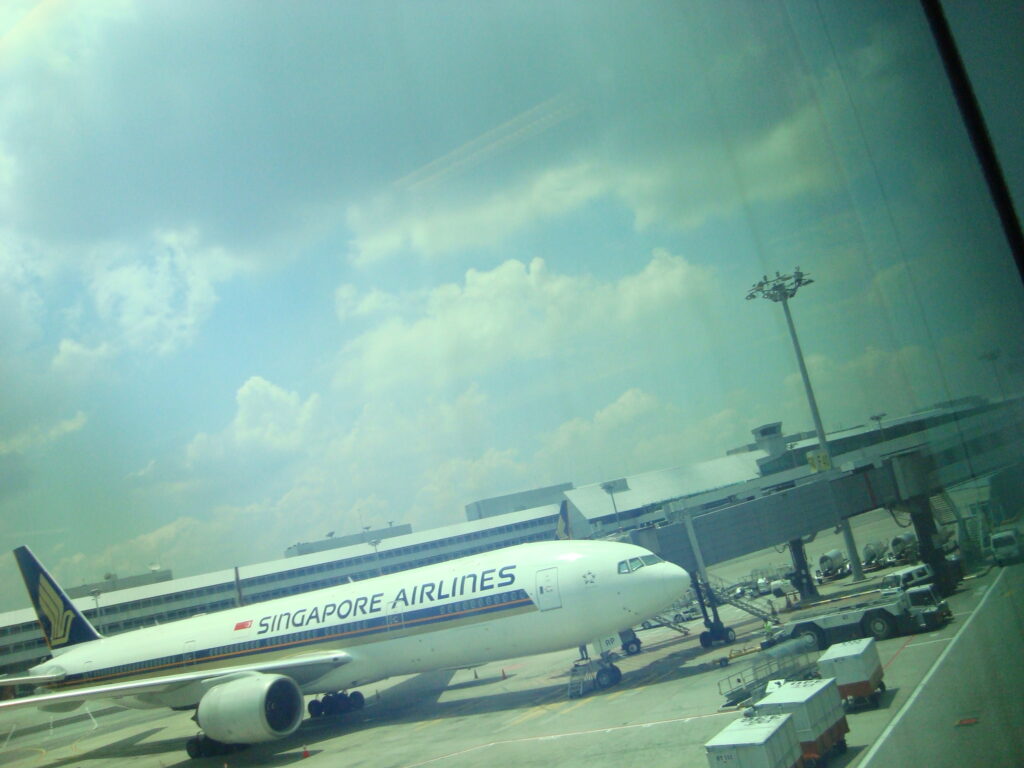
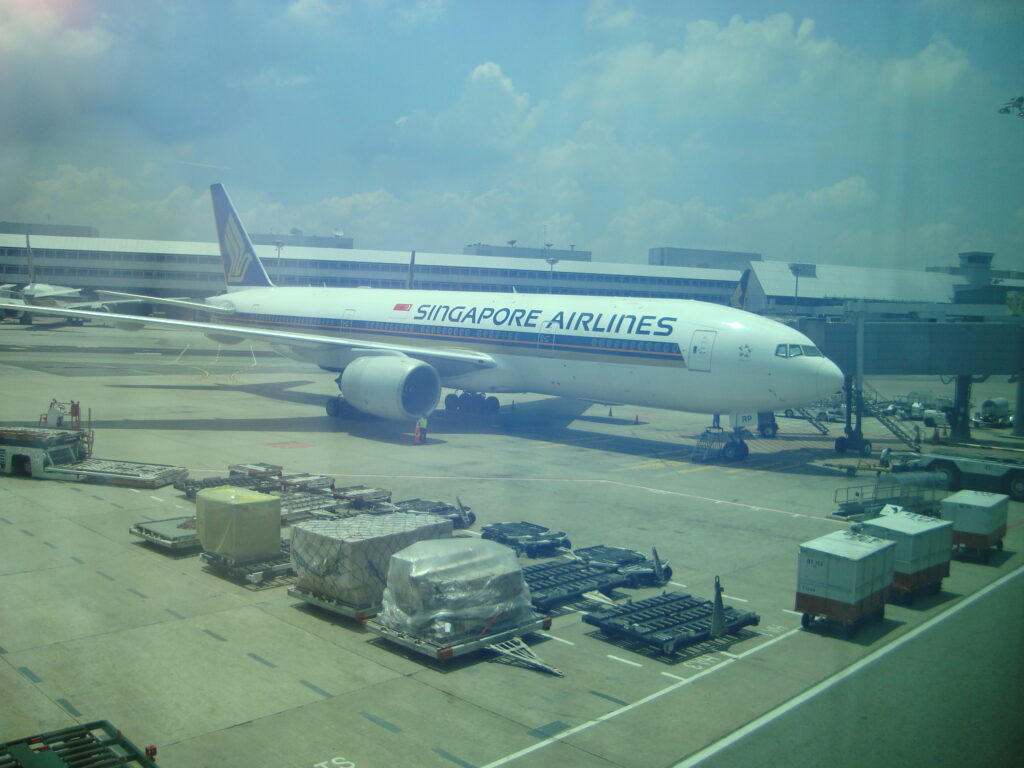
I think of Don Mee Choi’s DMZ Colony, a book combining poetry, prose, photography, and drawings to situate the violent colonial history of Korea within the deeply personal perspective of an immigrant. I wrote this in a book review assignment:
I knew I was going to like this one the instant I opened it up and saw the birds.
As someone who has only lived in that particular unheimlich of always longing for the other “home,” I know just what Choi is getting at when she talks about this sort of orphan-like state you assume as a translator, born in flight between two particularities. I wrote a horror movie last year about a dysfunctional Indonesian family —— I put them on the Oregon coast, in a probably-illegal ramshackle tower of a house, leaning over the cliffside toward the other side of the Pacific, where my birds and Choi’s are always returning. I think often about that house.
I think about the house whenever I hear my parents bicker. It screams, unlikely; it groans, aches —— always almost-falling-over, condemned to movement —— but it also stands.
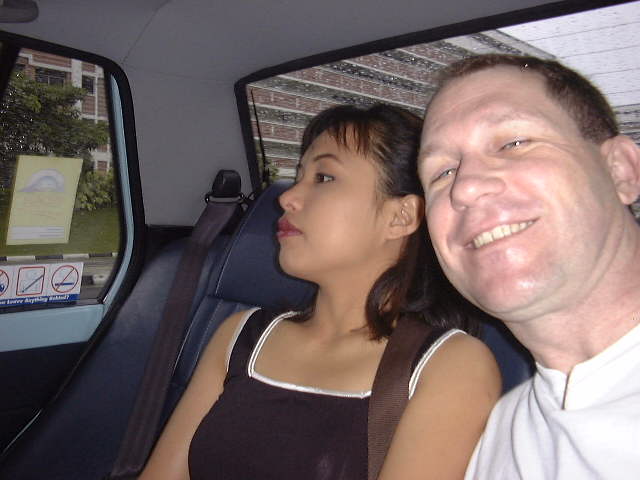
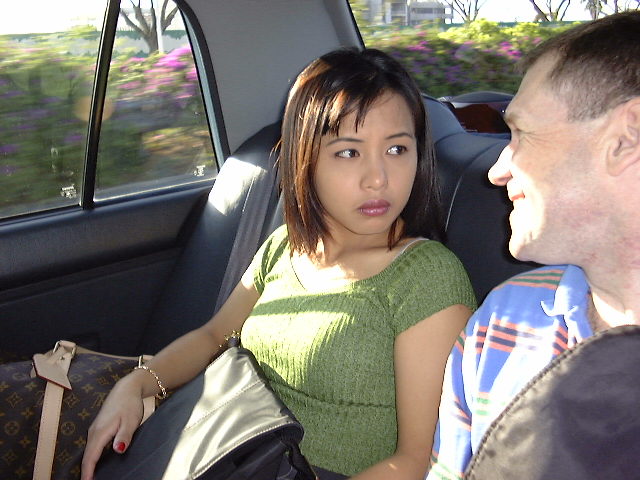
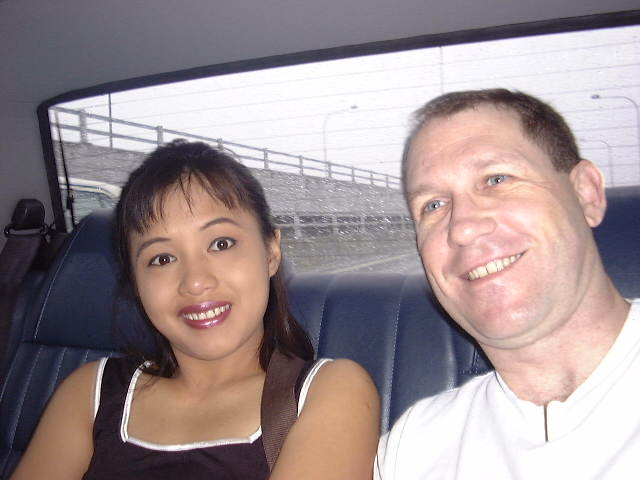
And then a little boy moved in with them.
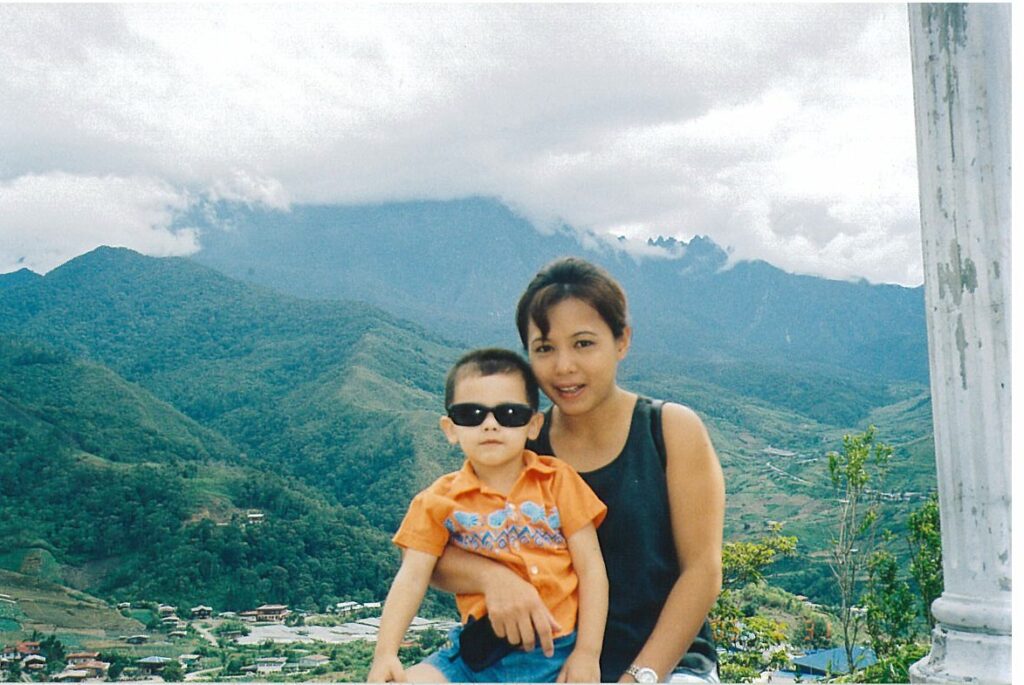
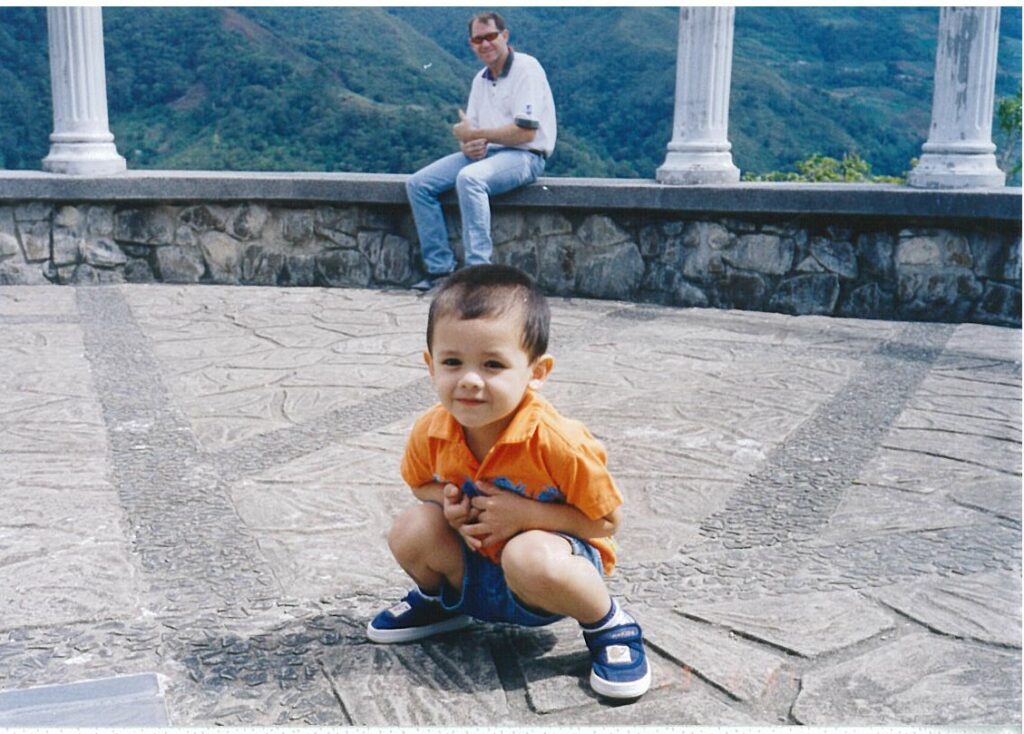
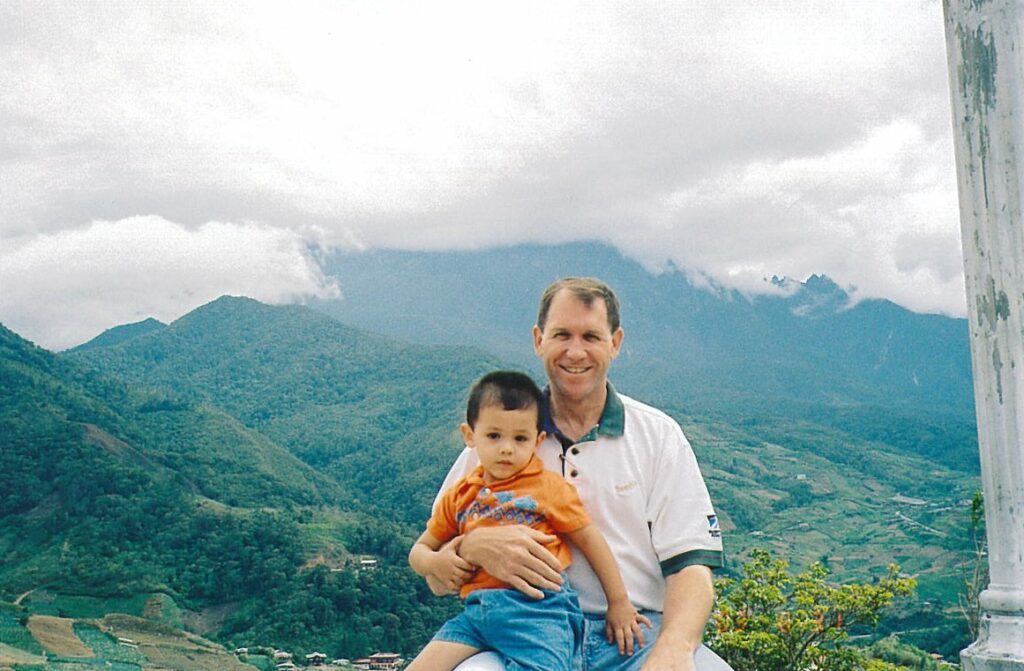
I was born at the end of Kaamatan, a month-long festival where Sabahans celebrate the new harvest moon; nowawadays, most Sabahans get too drunk to think about harvests or moons.
I was born in Singapore, but I like to think my real birthplace was in the intersection of their flightpaths; I like to think it was in the wind. I see, on the day they met, a couple with wings on fire —— two Icarus’s who hit each other instead of the water; and in the collision of woman-escaping-childhood and man-escaping-failed-marriage, there I was. A boy of in-betweens.
Wind or not, my arrival was something of an anchor for an airborne woman. Suddenly, it was more difficult to spend half her year in faraway places.
My earliest memories are of Sabah. Among them, this day:
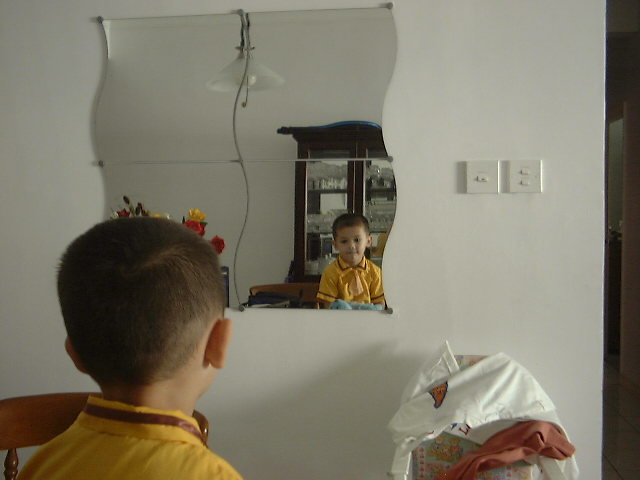
It was the day before my father disappeared for several months.
My mother told me he was going to look for money in America, and that I should give him another hug, and another, and that this time, I should wait, stand still; she needs to take a picture. She took a lot of pictures that day.
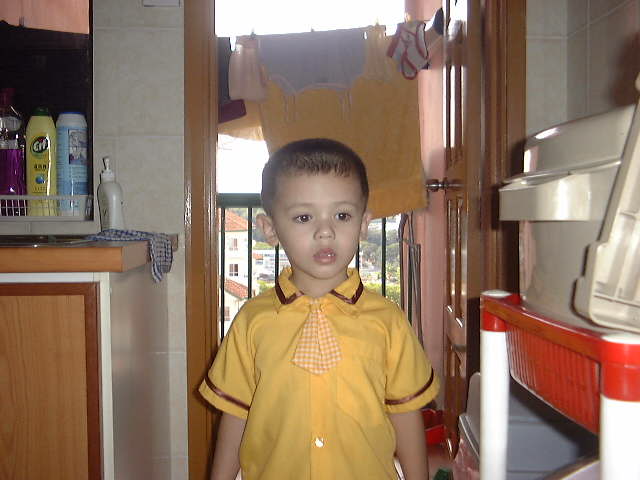
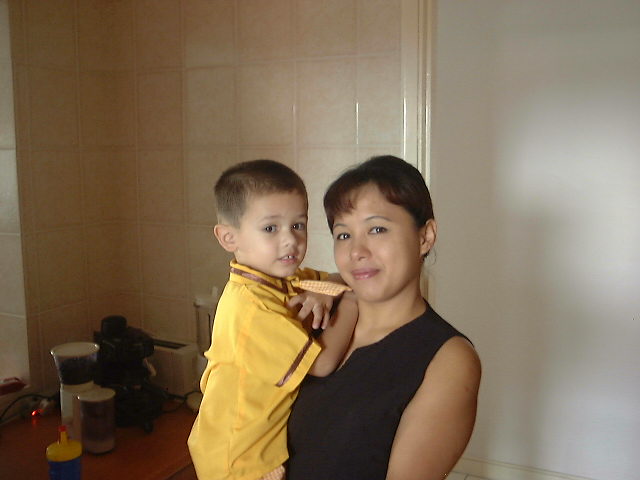
I find that family scrapbooks are peppered with accidental masterpieces. My mother has never been the best photographer (though sometimes I wonder if Nenek Pondo hadn’t stifled an artistic spark in her; I didn’t get mine from my dad, I don’t think, and my impulses have to come from somewhere, right?).
But there’s something about photos like that first one, a boy in pensive self-reflection —— framed by hindsight and the hands of my mother, by the knowledge that we were impoverished and her business was about to go under, the fact that my mother was scared, and she thought I was too skinny for a boy my age —— that give it a depth and intensity you don’t see in just any family photo.
It's a secret sort of sadness that makes them beautiful,
like the secret sorts of languages between a mother and son.
After we moved from Sabah to Kuala Lumpur in 2007, I would have to learn how to share that language.
I remember hoping for a brother.
Sidney is alright, though.
And for the family born in midair, our travels didn’t end there.
Soon it’d be time to go back to Singapore, and sooner still, to go back to a home I’d never really known.
