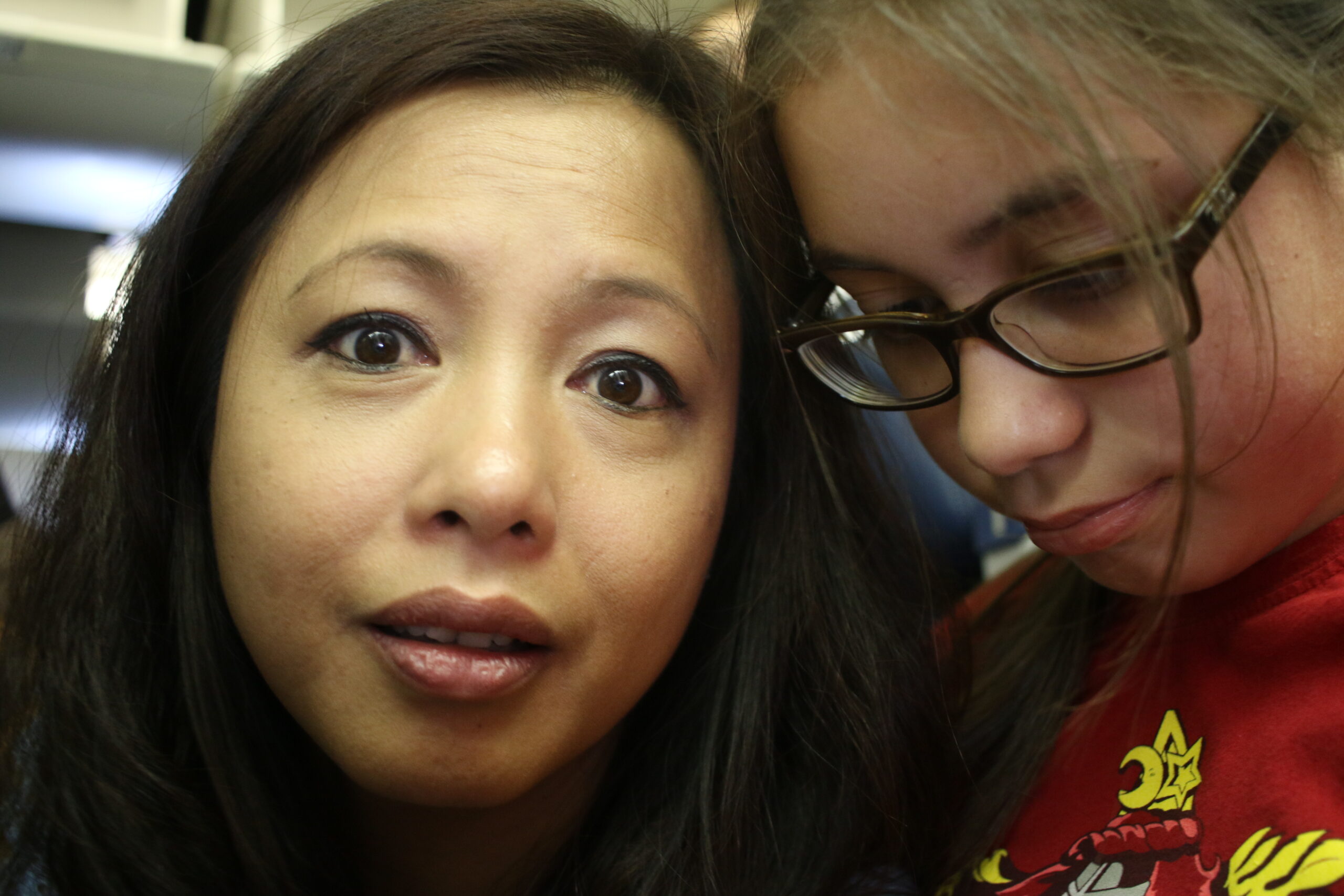
Amerika Serikat
The arguments had started shortly before we left Singapore.
At ten years old, I was getting smarter, more perceptive, cockier, more cruel. The inconsistencies in my mother’s character had become unforgivable; I relished in telling her I could see them.
I remember during one argument, my mother hissed like she was finally revealing something she’d been hiding —— maybe denying. It was something that her friends had been asking her: “what happened to him?” “why is he so rude all of a sudden?” It hurt me to see the shame in her eyes.
I remember being rude to Nenek Juvita too. I spoke to her in low tones, punctuated sentences with scoffs, like I’d heard so many times. I was following an example.
In fewer words: I was finally, visibly, becoming her.
Looking back, I’m always surprised at how American my attitude had seemed even before I moved to Atlanta. I’d probably blame Hollywood and Jeff Kinney.
(When I was nine, I rewrote the opening chapters of Diary of a Wimpy Kid: Dog Days to include me and my childhood best friend Satnam Singh, instead of the white suburban Greg Heffley and Rowley Jefferson. After all I’ve written since, that is still one of my proudest projects.)
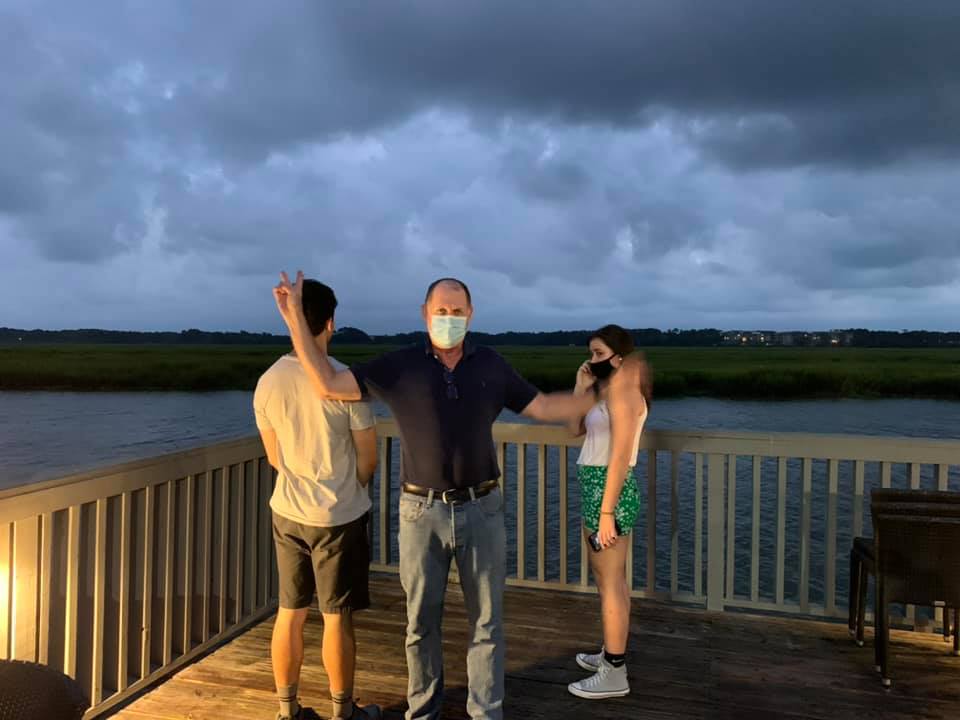
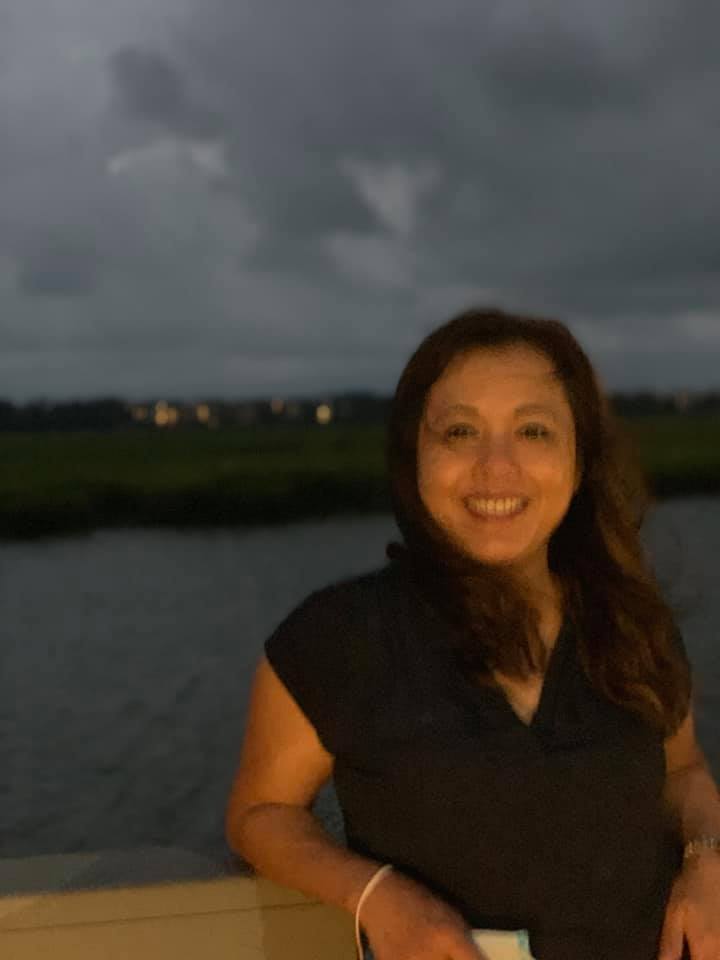
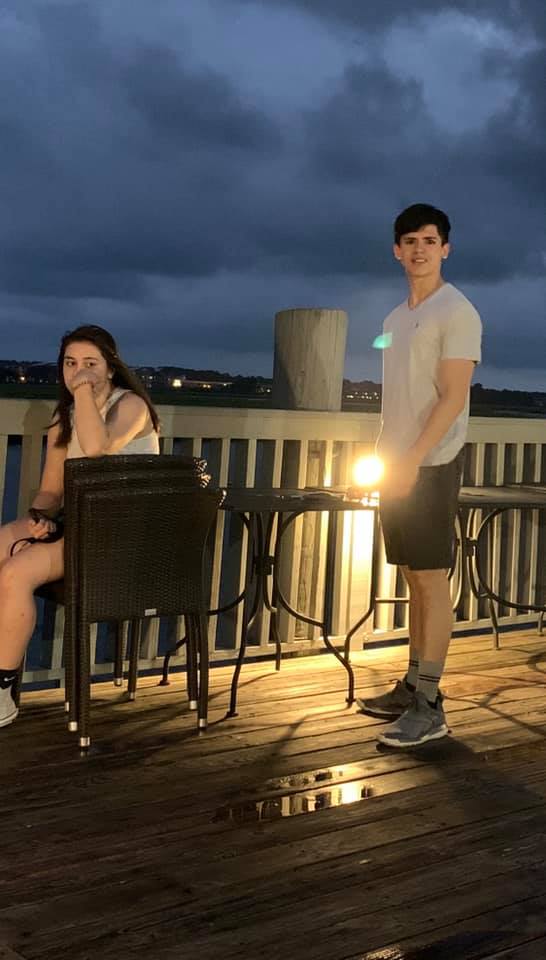
I think often about how the influence of Confucius contradicts the lessons of the American founders. One says your relationship to your elders is sacred, compulsory, and ought to be willfully claimed. The other says it is as mortal as any other connection, and can not only be intellectualized, subject to reason, but reasonably cast off. Rejected.
My mother, ever full of contradiction, has taught me both.
I often think that I would cast off parts of her if I could,
just as I often wonder, if she had been just a bit less violent, if I’d be able to speak. You might not be able to hear it in this text —— you might in the videos —— but around my mother, I speak with this terrible mumble. I tend to speak more normally around friends, but the mumble does sometimes emerge when I don’t want it to; usually with girlfriends.
I often ask people: you know when you’re ten and upset with your mother, and you don’t want to speak to her, but you want her to feel bad so you pretend as if you’ve been damaged, that you’re mute now, as if to say, do you hear me? this? my damaged voice? It’s your fault.
Well, I think one day I just forgot to stop pretending.
It is a vexed thing to say, for someone who plays so much with words, that his greatest insecurity is his voice.

I don't blame her, though.
Not really.
I think a part of me —— even before I had the words to explain it —— has always known that arrogance and violence must be rooted in a profound insecurity, in some lack. I know, and I think you are beginning to know now, that hers certainly is.
There is a story I haven’t told here. It’s half-written as of yet, but it’s about a death, about an uncle who I never met because I’m now almost twice as old as he was when he died, when he was on his bicycle and hit by a car, and my mother wasn’t watching him, and it’s about how my mother was blamed for it, and never really forgiven.
I think that story probably has something to do with why my mother can’t blame herself for anything; why, to specify, she had to always put it on us —— and when I still lived with her —— on me.
So, no. I don’t really blame her. I don’t.
I don’t.
What does all this mean?
She asked it, not me.
A few weeks ago, in April of 2022, I pressured the family to watch a movie. It was my second time. Almost immediately after watching it the first time —— and this is highly unusual —— I announced it was My Favorite Movie. I cried —— and this is even more unusual —— more on the second viewing than I did the first. It was embarrassing. It was because my mother was there.
Many things that I think about very often (not least of them her) collided in the final scenes of the aptly titled Everything, Everywhere, All at Once. They collided when an iconic Malaysian actress (who my mom has met, actually) looked at her child, through their vexed histories and strained relations, and insisted that what they have is worth it. That the certainty of each other’s presences, ghosts and all, is better than the possibility of a thousand other children. A thousand other mothers.
Maybe that’s what it means.
Maybe somewhere in that is something I’ve always wanted to hear her say. More likely, it is something I wish that I could say. Me, whose voice has been written into exile. Into the wind, perhaps.
I’d want to say something like:
No matter how many Pondos haunt you, or how badly we’ve fought or bickered and for little periods hated, I will always, always choose to be here with you. Here in the wind, with wings on fire. And you can call it duty, or affirmation, or assertion of will; you can call it all of them, and you can call it love. But I will always want to be your son.
I will always, always, want you to be my mother.
